Warp Open-Sourced Its Terminal Code. The Real Product Is Oz.

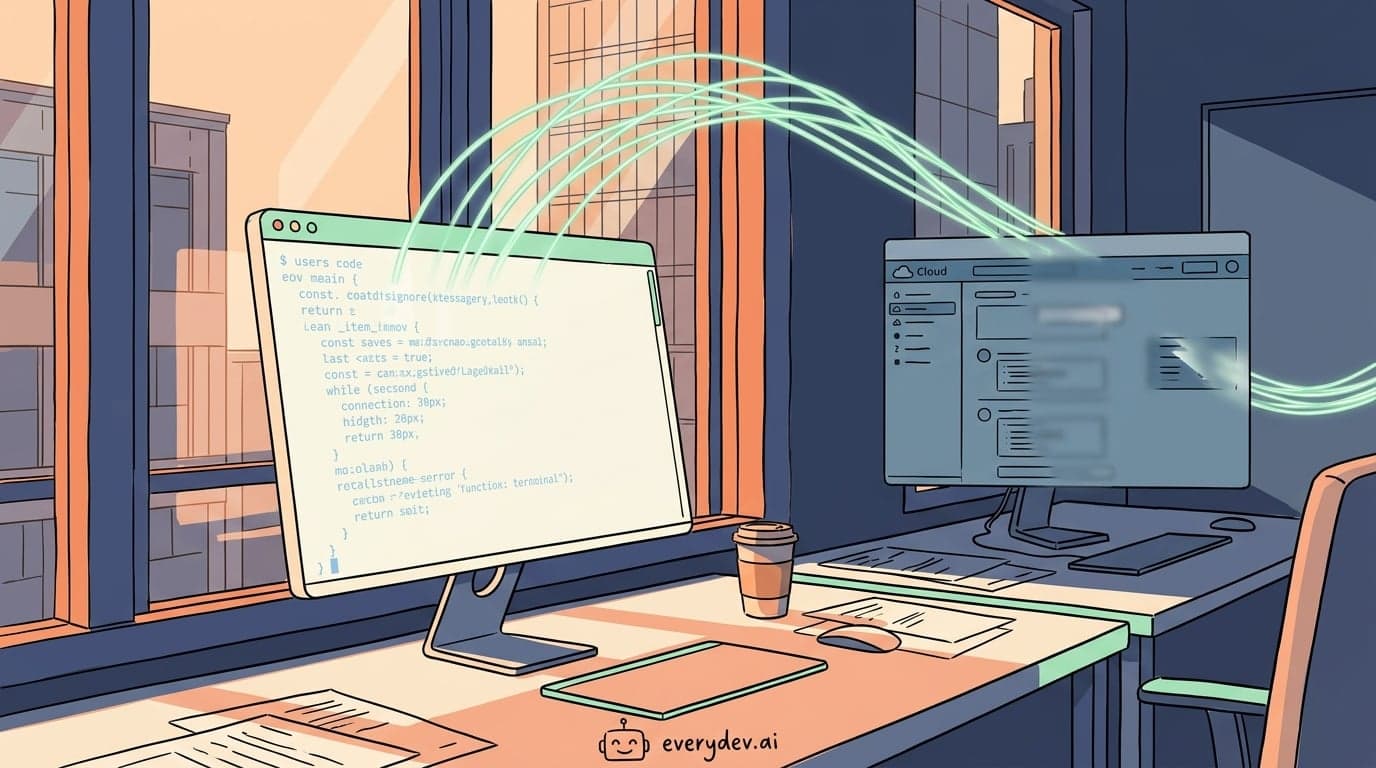
Warp Labs shipped the initial public release of the Warp terminal client to GitHub on April 28, 2026, under the Apache-2.0 license. The repository went live with roughly 26,000 stars within hours, and the team immediately began merging community PRs. SDKs are included in the release under the same license.
For a company that spent years deflecting a persistent community thread asking when -- or whether -- it would ever open-source anything, this is a significant reversal. But the reversal is easier to understand once you notice what stayed closed.
The fear that justified staying closed is gone
The original rationale for keeping Warp proprietary was straightforward. In a 2021 GitHub discussion that accumulated nearly 200 upvotes and ran for years, Warp CEO Zach Lloyd wrote that the company wanted to avoid "a competitor fork[ing] Warp and start[ing] another terminal company off it." The concern was real at the time: Warp had a genuinely differentiated product, and the AI-native terminal space was thin enough that a well-resourced clone could have been a serious threat.
That threat has since evaporated. Claude Code, Codex, Gemini CLI, Aider, Goose, and opencode have collectively turned "AI terminal" into a commodity category. The differentiated surface area of a terminal client -- rendering, block-based output, AI command suggestions -- is now table stakes, not a moat. There is nothing left in the client worth cloning.
Open-sourcing the client is therefore cheap. The IP risk Lloyd described in 2021 no longer applies in any meaningful way.
What Warp actually protected
The Oz cloud agent orchestration platform remains closed. This is the tell.
The CONTRIBUTING.md for the newly public repository makes Oz's role explicit: it automatically triages incoming issues, reviews open PRs, writes specs, and implements features. Contributors who accumulate merged PRs can request that Oz implement ready issues on their behalf, running on complimentary Oz credits. The entire open-source contribution workflow is, in effect, a live demonstration of what Oz can do.
That is not a coincidence. The open-source repository is structured to make Oz visible and credible to every developer who touches it. The agent-readable context files under .agents/skills/, the spec format under specs/, and the WARP.md engineering guide are all designed to be consumed by coding agents -- including, prominently, Oz itself.
The terminal became the free on-ramp. Oz is the business.
The trust problem this solves
The community thread Lloyd responded to in 2021 was never really about licensing philosophy. It was about dependency risk. Developers who live in their terminal do not want a closed, login-required application sitting in their critical path. The thread's author put it plainly: "I don't want the rug pulled out from under me after I learn to depend on something as essential as a terminal."
That concern kept a meaningful segment of developers away from Warp for years. Open-sourcing the client under Apache-2.0 addresses it directly. The code is now auditable, forkable, and self-hostable in principle. The login requirement for the hosted product may still exist, but the source is no longer a black box.
Buying back that trust is worth something concrete: it makes the Apache-2.0 SDKs credible enough to seed an ecosystem around Oz. If developers are going to build integrations and extensions on top of Warp's agent infrastructure, they need to believe the foundation is stable and inspectable. An open client provides that assurance in a way that a closed one never could.
The playbook is familiar
Give away the client, charge for the cloud. Cursor does it. Vercel does it. Supabase does it. The pattern is well-established enough that it barely needs explaining to anyone who has watched developer-tool companies operate over the past five years.
What makes Warp's version interesting is the timing. The company held the line on closed source longer than most, and it did so for a defensible reason. The moment it opened up is the moment the client stopped being the defensible asset. That sequencing is not sloppy -- it is disciplined.
What builders and operators should watch
The Apache-2.0 SDKs are the most immediately actionable piece of this release for teams building on top of AI infrastructure. If Oz is the actual product, then the SDK surface area is where the ecosystem will form, and Apache-2.0 is a permissive enough license to make commercial use straightforward.
The contribution model is also worth studying. Warp has built a workflow where Oz handles initial triage and review, human subject-matter experts handle final approval, and the whole pipeline is documented in machine-readable skill files. Teams building internal developer platforms with agent-assisted workflows will find the structure instructive regardless of whether they use Warp.
The open question is whether the community that spent years skeptical of Warp's closed model will actually show up now. The repository had strong early momentum, but GitHub stars on launch day are not the same as sustained contribution. Watch the issue velocity and the ratio of community PRs to Oz-generated PRs over the next quarter -- that will tell you whether the trust buyback worked.
References
Sponsored
ChatGPT Codex
OpenAI's agentic coding tool that runs in ChatGPT, your IDE, and the terminal to handle complex engineering tasks like bug fixes, refactors, and PR reviews.
View tool
Comments
Checking profile…